Funky Groovy: A Bold Retro Display Font for Creative Projects
Capturing the Spirit of the Groovy Era in Modern Design
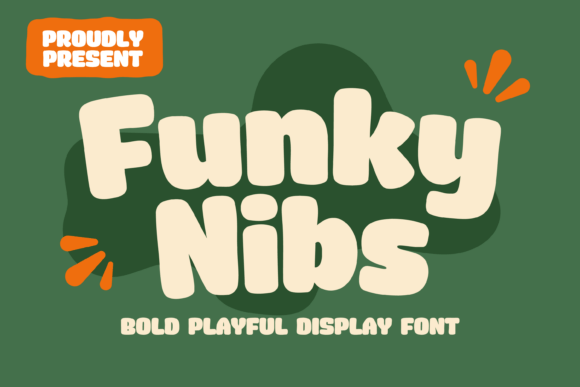
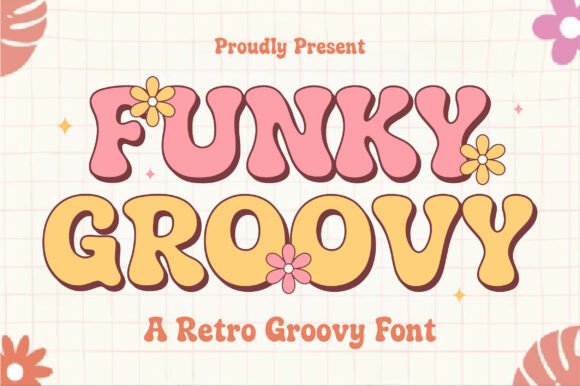
There's something undeniably magnetic about a font that channels the visual energy of a bygone era while still feeling fresh and relevant today. Funky Groovy is exactly that kind of typeface. It's a bold retro display font built around bubbly curves, chunky letterforms, and a playful personality that draws directly from 70s-inspired aesthetics. If you've ever admired the typography on vintage concert posters, classic children's book covers, or the packaging of retro snack brands, you already understand the visual language this font speaks.
What sets Funky Groovy apart from other display fonts is its refusal to take itself too seriously. The letterforms are rounded and weighty, giving each character a sense of warmth and approachability. There's a deliberate bounce in the way the curves flow, creating a rhythm across words and phrases that feels almost musical. This isn't a font that whispers—it announces, entertains, and invites the viewer to lean in with curiosity.
For designers and creative professionals who work across multiple industries, having a typeface like Funky Groovy in your toolkit opens up a specific range of possibilities. It's the kind of font you reach for when a project calls for energy, nostalgia, and a healthy dose of personality. Whether you're designing a logo for a new brand, laying out a children's activity book, or creating a series of social media graphics for a product launch, this typeface brings a distinct voice that's hard to replicate with more conventional choices.
Where Funky Groovy Truly Shines
Understanding where a display font works best is just as important as appreciating its aesthetic qualities. Funky Groovy thrives in contexts where visual impact matters more than long-form readability. Think headline text on posters, branding elements for playful companies, sticker designs for craft businesses, and packaging for products targeting families or younger audiences. Its bold, rounded forms make it especially effective at grabbing attention in crowded visual environments—whether that's a retail shelf, a social media feed, or a festival poster pinned to a community board.
In the world of branding and brand identity, this font can serve as a powerful tool for businesses that want to project a fun, approachable, and creative image. A children's clothing line, an indie craft brewery, a retro-themed café, or a toy company could all use Funky Groovy as part of their logo design to immediately communicate personality and warmth. The font's 70s roots also make it a natural fit for brands that lean into vintage or retro aesthetics—think vinyl record shops, roller skating rinks, or specialty candy stores.
Beyond commercial branding, Funky Groovy is a strong choice for editorial design projects that need a headline font with character. Magazine covers, blog headers, newsletter banners, and event invitations can all benefit from its distinctive look. It pairs particularly well with clean sans serif fonts for body text, creating a visual hierarchy that's both dynamic and easy to navigate. The contrast between a bold, playful display font and a straightforward sans serif keeps layouts feeling balanced without sacrificing personality.
Crafters and hobbyists will also find plenty of uses for this typeface. Sticker sheets, scrapbook pages, party invitations, T-shirt designs, and printable wall art are all projects where Funky Groovy can elevate the final result. Because the font carries so much visual weight on its own, even simple layouts can look polished and intentional when it's used thoughtfully.
How the Right Display Font Shapes Perception and Engagement
Typography does far more than display words—it shapes how people feel about what they're reading. The font you choose for a headline, a logo, or a piece of packaging sends an immediate signal to your audience about the personality and values behind the brand or project. Funky Groovy, with its bubbly curves and retro charm, communicates playfulness, creativity, and a sense of nostalgia. For the right audience, that signal can be incredibly effective at building recognition and emotional connection.
Consider how font choice influences visual hierarchy. When you pair a bold display font like Funky Groovy with a more neutral body typeface, you create a clear distinction between headline and supporting content. Readers instinctively know where to look first, and that structure keeps them engaged rather than overwhelmed. This is especially important in web design and social media graphics, where people scan content quickly and decide within seconds whether to keep reading.
Brand perception is another area where typography plays a critical role. A company that uses a playful, retro-inspired display font signals that it doesn't take itself too seriously—that it values fun, creativity, and a human touch. For small business owners and entrepreneurs, especially those in creative industries, choosing a typeface like Funky Groovy can help differentiate a brand from competitors who default to safe, corporate-looking fonts. It's a subtle but powerful way to stand out.
Practical Tips for Working with Funky Groovy
Before committing to any premium font for a project, it's worth taking a few practical steps to make sure it's the right fit. Start by reviewing the font's character set and included styles. Does it offer the punctuation, numerals, and special characters your project requires? Some display fonts come with alternates, ligatures, or stylistic variations that can add even more flexibility to your designs. Check what's included so you can make the most of what's available.
Next, test the font in context. Drop Funky Groovy into a mockup of your actual project—whether that's a poster layout, a logo concept, or a social media template. Evaluate how it looks at the sizes you'll actually use. Display fonts are designed to work at larger scales, so make sure the letterforms hold up and remain legible at your intended dimensions. Pay attention to spacing as well; you may need to adjust kerning or tracking depending on the application.
Font pairing is where many designers either elevate a project or let it down. Funky Groovy works best alongside typefaces that provide contrast without competing for attention. A clean sans serif like Helvetica, Futura, or a modern geometric sans serif can ground the layout and handle body text duties. If your project leans more editorial, a simple serif font for longer passages can create an interesting visual conversation with the display font's rounded, retro forms. Avoid pairing it with other highly decorative fonts—two strong personalities in the same layout rarely work well together.
Licensing is another practical consideration, especially for commercial use. If you're using Funky Groovy in a client project, a product you're selling, or any commercial application, confirm that the license covers your intended use. Most commercial fonts come with clear licensing terms, but it's always worth double-checking before a project goes to print or goes live online.
Finally, think about consistency across your design assets. If you're building a brand identity or a cohesive series of materials, use the font strategically and consistently. A bold display font like Funky Groovy works best when it's reserved for headlines, logos, and accent elements—not stretched across every piece of text in a layout. Used with intention, it becomes a signature element that audiences associate with your brand or creative style over time.
Bringing Personality to Every Project
The best creative decisions come from matching the right tool to the right job. Funky Groovy isn't a font for every project—and that's precisely what makes it valuable. When a design calls for warmth, energy, and a touch of retro flair, this typeface delivers in a way that more restrained options simply can't. Its bubbly curves and chunky letterforms carry a sense of joy that resonates with audiences of all ages, making it a versatile addition to any designer's collection of design assets.
Whether you're an entrepreneur building a brand from scratch, a marketer crafting campaign visuals, a publisher designing a book cover, or a crafter working on personal projects, having access to a well-crafted display font like Funky Groovy gives you more creative options. It's the kind of typeface that sparks ideas—once you start experimenting with it, you'll find new ways to bring personality and visual interest to everything you create.